how we treat different ways of contacting us differently
It is an obvious thing to say: we place differing levels of protection on the various ways of allowing communication.
Subscribe to my newsletter to see content first:
It is an obvious thing to say: we place differing levels of protection on the various ways of allowing communication. Over recent weeks I have been watching how people protected their various ways of being contacted.
For example:
Borders has been looking to build out its ability to communicate with its customerbase via email. They ask you at the point of purchase for your email address and in exchange they will give you 20% off their next purchase. It has been hugely successful from what I could see just in the shop alone. People were more than willing to hand over their email address - it took 30 seconds tops and Borders had a way to start a conversation with their customers. (Unfortunately they screwed up the start of the conversation by sending me an email which said this voucher doesnt last very long and only applied to certain things - I deleted the email - but that is a post for another time).
Now imagine if they had asked for my address instead? I am not so sure I’d willingly give it out - I would certainly pause before doing so.
What about a telephone number? No way..
How about SMS? Today not a chance. I wonder if this might change in the future..
Overall though, getting a user’s email address strikes me as being the lowest barrier to starting a conversation with a customer.
Another example over at Kiruba. Here they have taken a screenshot of a business card and blurred out just the telephone number, leaving the address visible. Obviously protecting the phone number is much more important. (The business card is actually a wedding invite (!) but you can read more about that here).

The reason for why we protect some types of communication is down to how interruptive the medium is. The more interruptive the medium the less likely you want to give someone the ability to use it.
About Riaz

I've spent over 20 years building and scaling B2B products, services and marketing technology - from early-stage startups through to exits, and now as CEO of Radiate B2B - the B2B ad platform.
Along the way I've led teams, launched products, built and sold companies, and spoken around the world about data, AI and the future of marketing and work.
Today I split my time between working directly with companies as a consultant and fractional operator, mentoring founders and leaders, and speaking to audiences who need someone to translate what's happening in technology into decisions they can act on.
Read the full storyRecommended posts
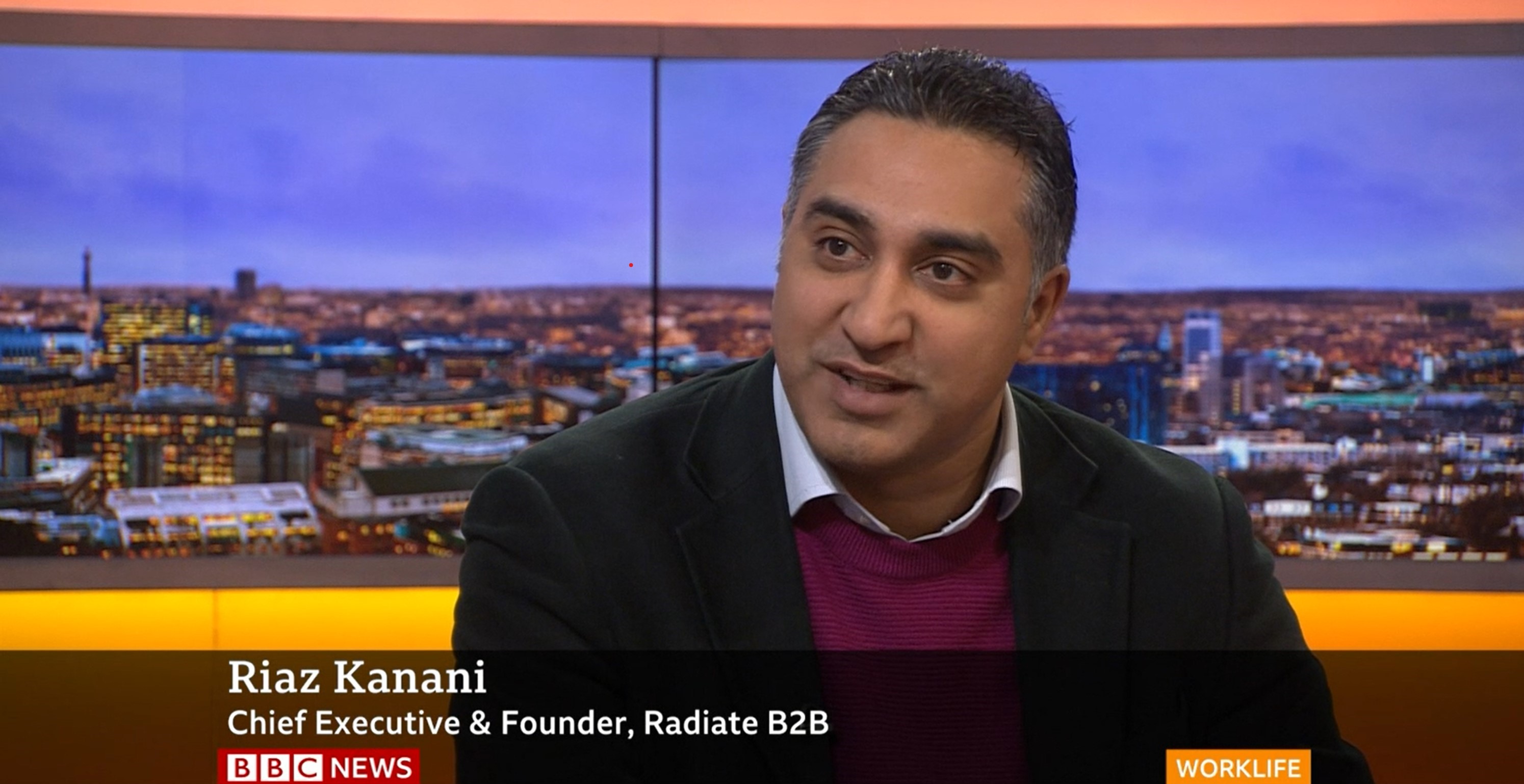
Talking big tech | AirBnB growth | Dealing with fake news
Back on BBC News this morning and there were three meaty topics up for discussion: Combating fake news, the fallout from AirBnB's success and dealing with.
Read more
Data warfare: The Cambridge Analytica files
This week looks at the explosive results from a whistle blower exposing the psychological warfare tools used by Cambridge Analytica.
Read more
A database of horrors and escaping advertising
This week looks at privacy, identity and a database of popular culture most would like to ignore.
Read more